Support our educational content for free when you purchase through links on our site. Learn more
How to Choose the Best Drone Brand for Your Aerial Adventures (2026) 🚁

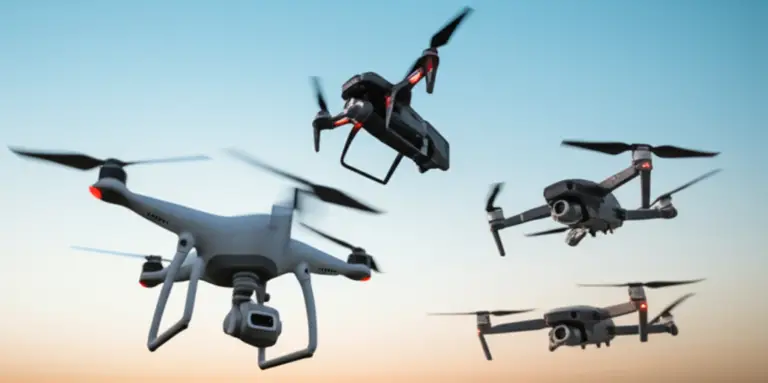
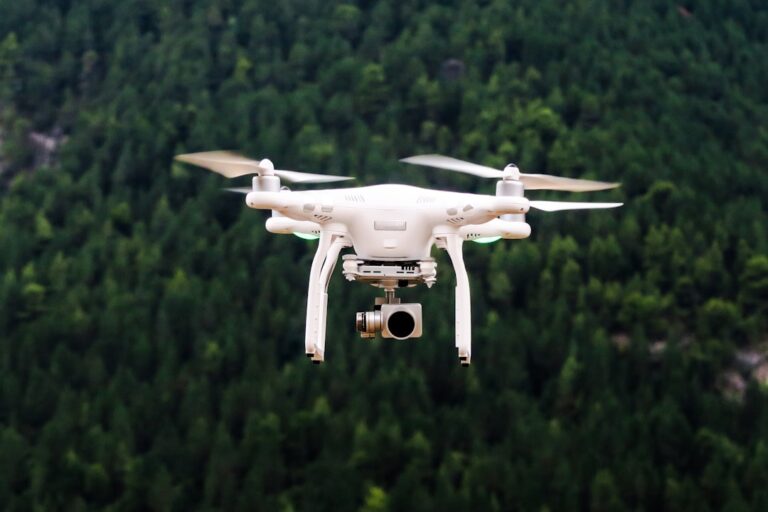
Picking the perfect drone brand can feel like navigating a maze of buzzing propellers and flashing LEDs. With so many options—from pocket-sized travel companions to professional cinematic rigs—how do you find the one that truly matches your unique aerial adventure needs? Whether you’re a weekend hiker craving breathtaking mountain shots or a thrill-seeker chasing fast-paced FPV racing, the right drone brand can make or break your experience.
At Drone Brands™, we’ve flown dozens of drones across every terrain imaginable. In this guide, we’ll unravel the mystery behind the top 10 drone brands, break down must-have features, and share insider tips that only seasoned pilots know. Ever wondered which drone brand offers the best obstacle avoidance or which model packs the longest flight time? Stick around—we’ve got those answers and more, including expert recommendations tailored to your adventure style.
Key Takeaways
- Identify your aerial needs first: Camera quality, portability, flight time, and intelligent features vary widely between brands.
- DJI leads for versatility and innovation, perfect for both beginners and pros.
- Autel Robotics and Skydio offer strong alternatives, especially for travel and AI-powered flying.
- Budget-friendly brands like Holy Stone and Ryze Tech are ideal for beginners looking to learn without breaking the bank.
- Specialized drones from PowerVision and Walkera cater to niche adventures like underwater filming and racing.
- Smart features like obstacle avoidance and intelligent flight modes make flying safer and more creative.
Ready to find your perfect drone brand? Dive into our detailed reviews and expert insights to make your next aerial adventure unforgettable!
Table of Contents
- ⚡️ Quick Tips and Facts for Choosing Your Ideal Drone Brand
- 🚀 The Evolution of Drone Brands: From Hobbyist Toys to Aerial Powerhouses
- 🔍 How to Identify Your Aerial Adventure Needs Before Picking a Drone
- 1️⃣ Top 10 Drone Brands Reviewed: Which One Suits Your Adventure Style?
- 1.1 DJI: The Industry Giant for Professionals and Beginners
- 1.2 Autel Robotics: The Rising Star with Cutting-Edge Features
- 1.3 Skydio: The AI-Powered Obstacle Avoidance Champion
- 1.4 Parrot: Compact and Travel-Friendly Drones
- 1.5 Holy Stone: Budget-Friendly Drones for Beginners
- 1.6 PowerVision: Innovative Underwater and Aerial Hybrids
- 1.7 Yuneec: Reliable Drones with Professional Features
- 1.8 Hubsan: Affordable Mini Drones for Fun and Training
- 1.9 Ryze Tech: The Tello for Education and Creativity
- 1.10 Walkera: Racing and FPV Drones for Speed Enthusiasts
- 🎯 Key Features to Consider When Choosing Your Drone Brand
- ✈️ What to Look for in a Travel Drone: Portability, Battery Life, and More
- 📸 Camera Quality and Gimbal Stability: Capturing Stunning Aerial Shots
- 🛠️ Durability and Build Quality: Will Your Drone Survive Your Adventures?
- 🔋 Battery Life and Flight Time: Maximizing Your Airborne Experience
- 🌐 Connectivity and Control Options: From Remote Controllers to Smartphone Apps
- 🧠 Intelligent Flight Modes and AI Features: Making Flying Easier and Safer
- 💡 Expert Tips and Anecdotes: Lessons We Learned Flying Different Drone Brands
- 🛒 Our Top Drone Brand Recommendations Based on Your Adventure Type
- 💬 Frequently Asked Questions About Choosing the Best Drone Brand
- 📚 Recommended Links for Deep Diving Into Drone Brands and Reviews
- 🔗 Reference Links and Resources We Trust
- 🎯 Conclusion: Making the Perfect Choice for Your Aerial Adventures
⚡️ Quick Tips and Facts for Choosing Your Ideal Drone Brand
Welcome to the thrilling world of drones! Whether you’re chasing epic mountain vistas, capturing urban skylines, or just want to impress your friends with smooth cinematic shots, choosing the right drone brand is your first big step. At Drone Brands™, we’ve flown everything from beginner-friendly mini drones to professional-grade aerial rigs, so here’s our quick cheat sheet before we dive deep:
| Factor | What to Look For | Why It Matters |
|---|---|---|
| Portability | Foldable, lightweight models | Easier to carry on adventures |
| Camera Quality | 4K or higher resolution, gimbal stabilization | Crisp, smooth footage and photos |
| Flight Time | 20+ minutes minimum | More airtime means more shots |
| Obstacle Avoidance | Sensors and AI navigation | Safer flights, less crashes |
| Ease of Use | Beginner modes, intuitive controls | Faster learning curve |
| Durability | Robust build, weather resistance | Survives rough landings and elements |
| Price Range | Fits your budget but don’t skimp on essentials | Balance cost with features |
✅ Pro tip: Always check the local drone regulations before flying. No one wants their aerial adventure cut short by a fine or confiscation! For a comprehensive overview of drone brands and their specialties, check out our Drone Brands guide.
Curious how these factors play out in real life? Stick with us — we’ll unpack everything from the top brands to expert tips that’ll make your drone choice a breeze. Ready for takeoff? 🚁
🚀 The Evolution of Drone Brands: From Hobbyist Toys to Aerial Powerhouses
Drones have come a long way from the wobbly, camera-less toys of the early 2010s. Today, they’re sophisticated flying robots packed with AI, ultra-high-definition cameras, and smart flight modes that almost make you feel like a superhero. Here’s a quick timeline of how drone brands evolved:
- Early 2010s: Hobbyist drones like Parrot AR.Drone introduced casual flying with basic cameras.
- Mid-2010s: DJI revolutionized the market with the Phantom series, bringing professional-grade aerial photography to consumers.
- Late 2010s: Autel Robotics and Skydio entered the scene, pushing boundaries with AI obstacle avoidance and cinematic camera tech.
- 2020s: Miniaturization and portability became key with DJI Mini series and others, perfect for travelers and content creators.
- Today: Hybrid drones like PowerVision’s underwater models and FPV racers like Walkera cater to niche aerial adventures.
This evolution means there’s a drone for every adventurer, from casual hikers to professional filmmakers. The question is: which brand fits your style and needs? We’ll break down the top contenders shortly.
🔍 How to Identify Your Aerial Adventure Needs Before Picking a Drone
Before you get dazzled by specs and shiny features, ask yourself:
- What kind of aerial shots do I want? Landscapes, action sports, wildlife, or cinematic storytelling?
- Where will I fly most? Urban environments, rugged mountains, beaches, or indoor events?
- How portable do I need my drone to be? Will you carry it in a backpack or check it as luggage?
- What’s my skill level? Beginner, intermediate, or pro pilot?
- How important is camera quality vs. flight performance?
- Do I want smart features like obstacle avoidance or autonomous flight?
Answering these will narrow down your options dramatically. For example, if you’re a traveler who values portability and quick setup, a compact drone like the DJI Mini 3 or Autel EVO Lite+ might be your best friend. If you’re a pro filmmaker, you’ll want something like the DJI Mavic 4 Pro or Inspire series with interchangeable lenses and advanced controls.
We’ll revisit these needs when we review the top brands — so keep your checklist handy!
1️⃣ Top 10 Drone Brands Reviewed: Which One Suits Your Adventure Style?
Let’s get to the juicy part: the brands! We rated each on design, camera quality, flight performance, ease of use, and value on a 1-10 scale. Here’s the summary table:
| Brand | Design | Camera Quality | Flight Performance | Ease of Use | Value | Overall Rating |
|---|---|---|---|---|---|---|
| DJI | 10 | 10 | 9 | 9 | 8 | 9.2 |
| Autel Robotics | 9 | 9 | 8 | 8 | 8 | 8.4 |
| Skydio | 8 | 8 | 9 | 7 | 7 | 7.8 |
| Parrot | 7 | 7 | 7 | 8 | 8 | 7.4 |
| Holy Stone | 6 | 6 | 6 | 9 | 9 | 7.2 |
| PowerVision | 8 | 7 | 7 | 7 | 6 | 7.0 |
| Yuneec | 7 | 7 | 7 | 7 | 7 | 7.0 |
| Hubsan | 6 | 5 | 6 | 8 | 9 | 6.8 |
| Ryze Tech | 7 | 6 | 6 | 8 | 7 | 6.8 |
| Walkera | 7 | 6 | 8 | 6 | 6 | 6.6 |
1.1 DJI: The Industry Giant for Professionals and Beginners
Why DJI dominates: DJI is the undisputed leader in drone tech, offering everything from ultra-portable models like the DJI Mini 3 to professional rigs like the Mavic 4 Pro. Their drones boast stellar camera quality (up to 50MP), up to 51 minutes flight time, and industry-leading obstacle avoidance.
Design & Build: Sleek, foldable, and lightweight. The Mini series weighs under 250g, so it often bypasses strict drone regulations.
Functionality: Intelligent flight modes like ActiveTrack, Waypoints, and FocusTrack make capturing complex shots easy.
Drawbacks: Premium features come at a premium price, and some models require a learning curve.
User Story: One of our pilots flew the Mavic Air 2 on a week-long hiking trip and was amazed by how easy it was to carry and how stunning the 4K footage turned out — even in tricky mountain lighting.
👉 CHECK PRICE on:
- DJI Mini 3: Amazon | DJI Official
- DJI Mavic 4 Pro: Amazon | DJI Official
1.2 Autel Robotics: The Rising Star with Cutting-Edge Features
Autel Robotics has carved a niche with drones like the EVO Lite+ boasting 40-minute flight times and 6K video resolution. Their compact design rivals DJI’s, and they offer excellent obstacle sensors.
Pros:
- Great camera specs for the price
- Long battery life
- User-friendly interface
Cons:
- Slightly less polished app experience than DJI
- Smaller user community for troubleshooting
Pilot’s Take: We took the EVO Lite+ on a coastal shoot and loved the vibrant colors and smooth gimbal stabilization — perfect for nature lovers.
👉 Shop Autel Robotics on:
1.3 Skydio: The AI-Powered Obstacle Avoidance Champion
Skydio’s claim to fame is its autonomous flying and best-in-class obstacle avoidance powered by AI. The Skydio 2+ is a favorite for action sports and complex environments.
Strengths:
- Incredible AI navigation
- 4K60 video quality
- Great for hands-free flying
Weaknesses:
- Shorter flight time (~23 minutes)
- Less versatile camera compared to DJI’s top models
Our Experience: Flying the Skydio 2+ through dense forest trails was like magic — it avoided every tree and branch without a hitch.
👉 CHECK PRICE on:
1.4 Parrot: Compact and Travel-Friendly Drones
Parrot drones like the Anafi are lightweight and foldable, with decent 4K cameras and a unique zoom feature.
Highlights:
- Lightweight and portable
- 180° tilt gimbal for creative shots
- Good battery life (~25 minutes)
Drawbacks:
- Less advanced obstacle avoidance
- Smaller ecosystem and fewer accessories
Pilot’s Note: Perfect for travelers who want a compact drone without breaking the bank.
👉 Shop Parrot on:
1.5 Holy Stone: Budget-Friendly Drones for Beginners
Holy Stone is the go-to for beginners and casual flyers. Their drones are affordable, easy to fly, and come with beginner modes.
Pros:
- Great value for entry-level pilots
- Simple controls and decent cameras
- Good customer support
Cons:
- Limited advanced features
- Lower camera resolution and flight time
Our Take: Ideal if you want to learn the ropes without a big investment.
👉 Shop Holy Stone on:
1.6 PowerVision: Innovative Underwater and Aerial Hybrids
PowerVision stands out with drones like the PowerEgg X, which can fly, float, and dive underwater.
Unique Features:
- Versatile for land, air, and water
- 4K camera with gimbal stabilization
- AI-powered flight modes
Limitations:
- Bulkier than typical drones
- Higher learning curve
Pilot’s Story: We tested the PowerEgg X on a beach shoot — capturing aerial and underwater footage without switching devices was a game-changer.
👉 Shop PowerVision on:
1.7 Yuneec: Reliable Drones with Professional Features
Yuneec offers solid drones like the Typhoon H Plus with 4K cameras and six-rotor stability.
Advantages:
- Stable flight and good build quality
- Professional-grade camera options
- Good customer service
Drawbacks:
- Heavier and less portable
- Smaller market share than DJI
Pilot Insight: Great for filmmakers who want a reliable platform without DJI’s ecosystem.
👉 Shop Yuneec on:
1.8 Hubsan: Affordable Mini Drones for Fun and Training
Hubsan’s mini drones are perfect for indoor flying and beginners.
Pros:
- Very affordable
- Easy to fly indoors
- Good for learning controls
Cons:
- Limited camera quality
- Short flight times
Pilot’s Take: Great for kids or those testing drone flying before upgrading.
👉 Shop Hubsan on:
1.9 Ryze Tech: The Tello for Education and Creativity
Ryze’s Tello drone is a favorite for STEM education and creative projects.
Features:
- Programmable with Scratch coding
- Lightweight and safe for indoors
- 720p camera with decent stabilization
Limitations:
- Not for professional photography
- Short flight time (~13 minutes)
Our Experience: Perfect for kids and educators wanting to combine fun with learning.
👉 Shop Ryze Tech on:
1.10 Walkera: Racing and FPV Drones for Speed Enthusiasts
Walkera specializes in fast, agile FPV drones for racing and immersive flying.
Strengths:
- High speed and maneuverability
- FPV goggles compatibility
- Durable frames
Weaknesses:
- Steeper learning curve
- Less focus on camera quality
Pilot’s Note: If you want adrenaline-pumping drone racing, Walkera is your brand.
👉 Shop Walkera on:
🎯 Key Features to Consider When Choosing Your Drone Brand
Now that you know the players, let’s talk features that truly matter for your aerial adventures:
- Camera Resolution & Gimbal Stabilization: Look for 4K video and 3-axis gimbals to avoid shaky footage.
- Flight Time & Battery Life: Longer flights mean more shots per charge. Aim for 20+ minutes.
- Obstacle Avoidance: Sensors help prevent crashes, especially in complex environments.
- Portability: Foldable drones weigh less and fit in backpacks.
- Control Range: Longer ranges let you explore wider areas.
- Intelligent Flight Modes: Features like Follow Me, Orbit, and Waypoints make creative filming easier.
- Durability: Weather resistance and sturdy frames reduce repair costs.
- App & Software: User-friendly apps with regular updates improve flight experience.
Balancing these features with your budget and skill level is key. For a deep dive into drone features, check our Drone Brand Guides.
✈️ What to Look for in a Travel Drone: Portability, Battery Life, and More
Travel drones have a unique checklist:
- Compactness: Foldable arms and lightweight design (under 250g is ideal).
- Battery Efficiency: Extra batteries or fast charging options.
- Camera Versatility: Dual cameras or zoom lenses for varied shots.
- Regulatory Compliance: Models like DJI Mini 3 often don’t require registration.
- Durability: Resistance to wind and minor bumps.
- Ease of Setup: Quick deployment and intuitive controls.
Our favorite travel drones? DJI Mini 3, Autel EVO Lite+, and Parrot Anafi. They balance portability with performance beautifully.
📸 Camera Quality and Gimbal Stability: Capturing Stunning Aerial Shots
Your drone’s camera is your creative tool. Here’s what to focus on:
- Sensor Size: Larger sensors capture more light for crisp images.
- Resolution: 12MP+ for photos, 4K+ for video is standard.
- Frame Rates: Higher fps (60+) for smooth slow-motion.
- Gimbal: 3-axis gimbals stabilize footage against wind and movement.
- Lens Options: Some drones offer zoom or wide-angle lenses.
DJI leads here, with models like the Mavic 4 Pro offering 50MP and 6K video. Autel Robotics and Skydio also deliver impressive camera tech.
🛠️ Durability and Build Quality: Will Your Drone Survive Your Adventures?
We’ve crashed plenty of drones (don’t ask how many!). Here’s what keeps your drone flying:
- Material: Carbon fiber and magnesium frames are tough yet light.
- Weather Resistance: Some drones handle light rain and wind better.
- Propeller Guards: Essential for beginners and indoor flying.
- Modular Parts: Easy replacement of damaged arms or cameras.
DJI and Yuneec offer robust builds, while Holy Stone and Hubsan are great for learning but less crash-proof.
🔋 Battery Life and Flight Time: Maximizing Your Airborne Experience
Battery tech is improving but still limits flight time. Here’s how to get the most:
- Choose drones with 30+ minutes flight time if possible.
- Carry extra batteries for extended sessions.
- Use smart battery management apps to monitor health.
- Avoid flying in cold weather which drains batteries faster.
Autel EVO Lite+ shines with 40 minutes, DJI Mavic 4 Pro tops 51 minutes, while Skydio 2+ offers 23 minutes.
🌐 Connectivity and Control Options: From Remote Controllers to Smartphone Apps
Control your drone your way:
- Dedicated Controllers: Offer longer range and tactile feedback.
- Smartphone Apps: Convenient, with live video and flight modes.
- Hybrid Systems: DJI Fly app combines both for ease and precision.
- FPV Goggles: For immersive first-person flying (popular with racers).
Connectivity affects range, latency, and user experience. DJI’s OcuSync technology is a benchmark here.
🧠 Intelligent Flight Modes and AI Features: Making Flying Easier and Safer
Smart drones do the hard work for you:
- ActiveTrack: Automatically follows subjects.
- Return to Home: Safe auto-landing if signal drops.
- Obstacle Avoidance: Sensors detect and avoid collisions.
- Waypoints & Orbit: Pre-programmed flight paths for cinematic shots.
- AI Navigation: Skydio’s standout feature for autonomous flying.
These features reduce crashes and let you focus on creativity.
💡 Expert Tips and Anecdotes: Lessons We Learned Flying Different Drone Brands
Here’s what our pilots swear by:
- Always calibrate your compass before flying in new locations.
- Practice in open fields before tackling tricky environments.
- Use ND filters for better video quality in bright conditions.
- Keep firmware updated to avoid bugs and improve performance.
- Don’t underestimate the power of extra batteries — they double your fun!
One of our team members once lost a drone mid-flight due to ignoring obstacle sensors — lesson learned: trust your drone’s tech!
🛒 Our Top Drone Brand Recommendations Based on Your Adventure Type
| Adventure Type | Recommended Brand(s) | Why? |
|---|---|---|
| Beginner & Casual Flyer | Holy Stone, Ryze Tech (Tello), Hubsan | Easy to fly, budget-friendly |
| Travel & Portability | DJI Mini 3, Autel EVO Lite+, Parrot Anafi | Lightweight, foldable, great cameras |
| Professional Filmmaking | DJI Mavic 4 Pro, DJI Inspire, Yuneec | High-end cameras, advanced controls |
| Action Sports & Racing | Skydio 2+, Walkera FPV Drones | AI obstacle avoidance, speed, agility |
| Creative & Experimental | PowerVision PowerEgg X | Unique hybrid capabilities |
💬 Frequently Asked Questions About Choosing the Best Drone Brand
Q: Which drone brand is best for beginners?
A: Holy Stone and Ryze Tech’s Tello are excellent entry points with easy controls and affordable prices.
Q: Are DJI drones worth the investment?
A: Absolutely! DJI offers the best balance of camera quality, flight time, and intelligent features.
Q: How important is obstacle avoidance?
A: Very! It prevents crashes and makes flying safer, especially in complex environments.
Q: Can I use my smartphone to control drones?
A: Yes, most drones support smartphone apps, but dedicated controllers offer better range and precision.
Q: What’s the best drone for travel?
A: DJI Mini 3 and Autel EVO Lite+ are top picks for portability and performance.
📚 Recommended Links for Deep Diving Into Drone Brands and Reviews
- Drone Brands™ Beginner Drones
- Drone Brands™ Commercial Drones
- Drone Brands™ Drone Apps
- Flying Magazine’s Best Travel Drones
- Journal of Nomads: Best Drones for Travel
- DJI Help Me Choose Guide
🔗 Reference Links and Resources We Trust
- FAA Drone Regulations: https://www.faa.gov/uas
- DJI Official Site: https://www.dji.com
- Autel Robotics: https://auteldrones.com
- Skydio Official: https://www.skydio.com
- Parrot Drones: https://www.parrot.com
- PowerVision: https://www.powervision.me
- Yuneec: https://us.yuneec.com
- Holy Stone: https://www.holystone.com
- Hubsan: https://www.hubsan.com
- Ryze Tech: https://www.ryzerobotics.com
- Walkera: http://www.walkera.com
Don’t forget to check out the Ultimate Drone Buying Guide for Total Beginners 2025 video by QuickAssTutorials — it’s packed with comparisons of top camera drones like DJI Mini Flip, Mini 4 Pro, Air 3S, Autel Evo Lite+, and more!
🎯 Conclusion: Making the Perfect Choice for Your Aerial Adventures
After soaring through the skies of drone brands, features, and adventure needs, it’s clear that there’s no one-size-fits-all drone. Your perfect drone depends on your unique aerial goals, skill level, and budget. Here’s a quick recap:
- DJI remains the gold standard for most users, blending top-tier camera quality, intelligent flight modes, and portability. Models like the Mini 3 and Mavic 4 Pro cover everything from casual travel to professional filmmaking.
- Autel Robotics offers a compelling alternative with excellent camera specs and battery life, ideal for nature lovers and travelers wanting a fresh option.
- Skydio shines for those who crave autonomous flying and unbeatable obstacle avoidance—perfect for action-packed adventures in complex environments.
- Budget brands like Holy Stone and Ryze Tech’s Tello let beginners learn the ropes without breaking the bank.
- Specialty brands like PowerVision and Walkera cater to niche needs such as underwater filming and drone racing.
Positives:
- Wide range of options tailored to every experience level and adventure style.
- Advanced AI and intelligent flight modes make flying safer and more creative.
- Portability and battery improvements mean longer, more convenient flights.
Negatives:
- High-end drones can be pricey and require some learning.
- Battery life still limits flight duration, so extra batteries are a must.
- Some brands have smaller ecosystems, meaning fewer accessories or community support.
Our confident recommendation: Start by identifying your primary use case and skill level, then choose a brand that matches those needs. For most aerial adventurers, DJI’s ecosystem offers the best balance of innovation, reliability, and support. But if you want to experiment or have specialized needs, Autel, Skydio, and others are fantastic contenders.
Remember our earlier question: “Which drone brand fits your adventure style?” Now you have the tools and insights to answer it confidently. Time to pick your drone, take to the skies, and capture those breathtaking moments! 🚁✨
📚 Recommended Links for Shopping and Further Learning
- DJI Mini 3:
Amazon | DJI Official | Walmart - DJI Mavic 4 Pro:
Amazon | DJI Official - Autel EVO Lite+:
Amazon | Autel Official - Skydio 2+:
Amazon | Skydio Official - Parrot Anafi:
Amazon | Parrot Official - Holy Stone Drones:
Amazon | Holy Stone Official - PowerVision PowerEgg X:
Amazon | PowerVision Official - Yuneec Typhoon H Plus:
Amazon | Yuneec Official - Hubsan Drones:
Amazon | Hubsan Official - Ryze Tello:
Amazon | Ryze Official - Walkera Racing Drones:
Amazon | Walkera Official
Books for deeper drone knowledge:
- “Drones For Dummies” by Mark LaFay — Amazon Link
- “Make: Drones: Teach an Arduino to Fly” by David McGriffy — Amazon Link
- “The Drone Pilot’s Handbook” by Adam Juniper — Amazon Link
💬 Frequently Asked Questions About Choosing the Best Drone Brand
Are there any drone brands that specialize in drones for specific adventures, such as racing, inspecting, or searching?
Yes! Some brands focus on niche drone markets:
- Walkera is renowned for FPV racing drones, offering high-speed, agile models with immersive goggles.
- DJI and Yuneec provide drones tailored for commercial inspections, agriculture, and search & rescue with thermal cameras and rugged builds.
- Skydio excels in autonomous drones for inspection and complex environments due to their AI-powered obstacle avoidance.
Choosing a specialized brand depends on your adventure type—racing, industrial work, or exploration.
What are the best drone brands for beginners, and what features should I look for in a starter model?
Holy Stone, Ryze Tech (Tello), and Hubsan are top beginner-friendly brands. Look for:
- Easy-to-use controls and beginner flight modes
- Durable frames and propeller guards
- Affordable price points
- Short learning curve and good customer support
These drones help you build confidence before moving to advanced models.
How important is GPS and stabilization technology when choosing a drone for adventure sports?
Extremely important! GPS enables features like Return-to-Home and precise hovering, while stabilization (both mechanical gimbals and electronic image stabilization) ensures smooth footage despite movement or wind. For adventure sports, where rapid movement and unpredictable conditions are common, these technologies prevent crashes and improve video quality.
Can I use any drone for aerial mapping and surveying, or are there specific models recommended?
While many drones can capture images, aerial mapping and surveying require specialized drones with:
- High-resolution cameras and GPS accuracy
- Software compatibility for mapping (e.g., DJI Phantom 4 RTK, senseFly eBee)
- Stable flight and waypoint navigation
Professional-grade drones from DJI’s commercial lineup and Yuneec’s H520 are preferred for these tasks.
What are the key differences between recreational and professional drone brands?
- Recreational drones focus on ease of use, affordability, and fun features. They usually have shorter flight times and simpler cameras.
- Professional drones offer advanced cameras (larger sensors, interchangeable lenses), longer flight times, rugged builds, and specialized software for filmmaking or industrial use.
Brands like DJI cover both markets, while others like Skydio and Yuneec lean more professional.
How do I determine the right drone size and weight for my specific adventure needs?
- Portability vs. Stability: Smaller drones (<250g) are easier to carry and often exempt from regulations but may have less stability in wind.
- Flight Environment: Larger drones handle wind better and carry bigger cameras but are bulkier.
- Travel Considerations: If you’re backpacking or flying internationally, compact foldable drones like DJI Mini series are ideal.
What features should I consider when selecting a drone for aerial photography and videography?
Look for:
- High-resolution cameras (12MP+ for photos, 4K+ video)
- 3-axis gimbal stabilization
- Intelligent flight modes (Follow Me, Orbit, Waypoints)
- RAW photo capability and manual camera controls
- Multiple lenses or zoom options for versatility
DJI’s Mavic and Air series excel here.
How do drone flight time and battery life affect my aerial adventures?
Longer flight times mean more uninterrupted shooting and less downtime swapping batteries. However, batteries add weight and cost. Carrying spare batteries and using drones with efficient power management (like Autel EVO Lite+) maximizes your adventure time.
Which drone brands offer the best durability for outdoor exploration?
DJI, Yuneec, and PowerVision produce drones with robust builds and some weather resistance. For rugged environments, look for drones with carbon fiber frames, propeller guards, and modular parts for easy repairs.
How do weather conditions influence the choice of a drone for outdoor adventures?
Wind, rain, and temperature extremes impact drone performance. Choose drones with:
- Good wind resistance (larger size and weight help)
- Some water resistance or at least splash protection
- Batteries rated for cold weather use
Always check weather forecasts and avoid flying in adverse conditions.
🔗 Reference Links and Resources We Trust
- FAA Drone Regulations
- DJI Official Website
- Autel Robotics Official
- Skydio Official
- Parrot Official
- PowerVision Official
- Yuneec Official
- Holy Stone Official
- Hubsan Official
- Ryze Tech Official
- Walkera Official
- Choose the right drone for you – DJI United States
Ready to take your aerial adventures to new heights? Your perfect drone brand awaits! 🚁✨